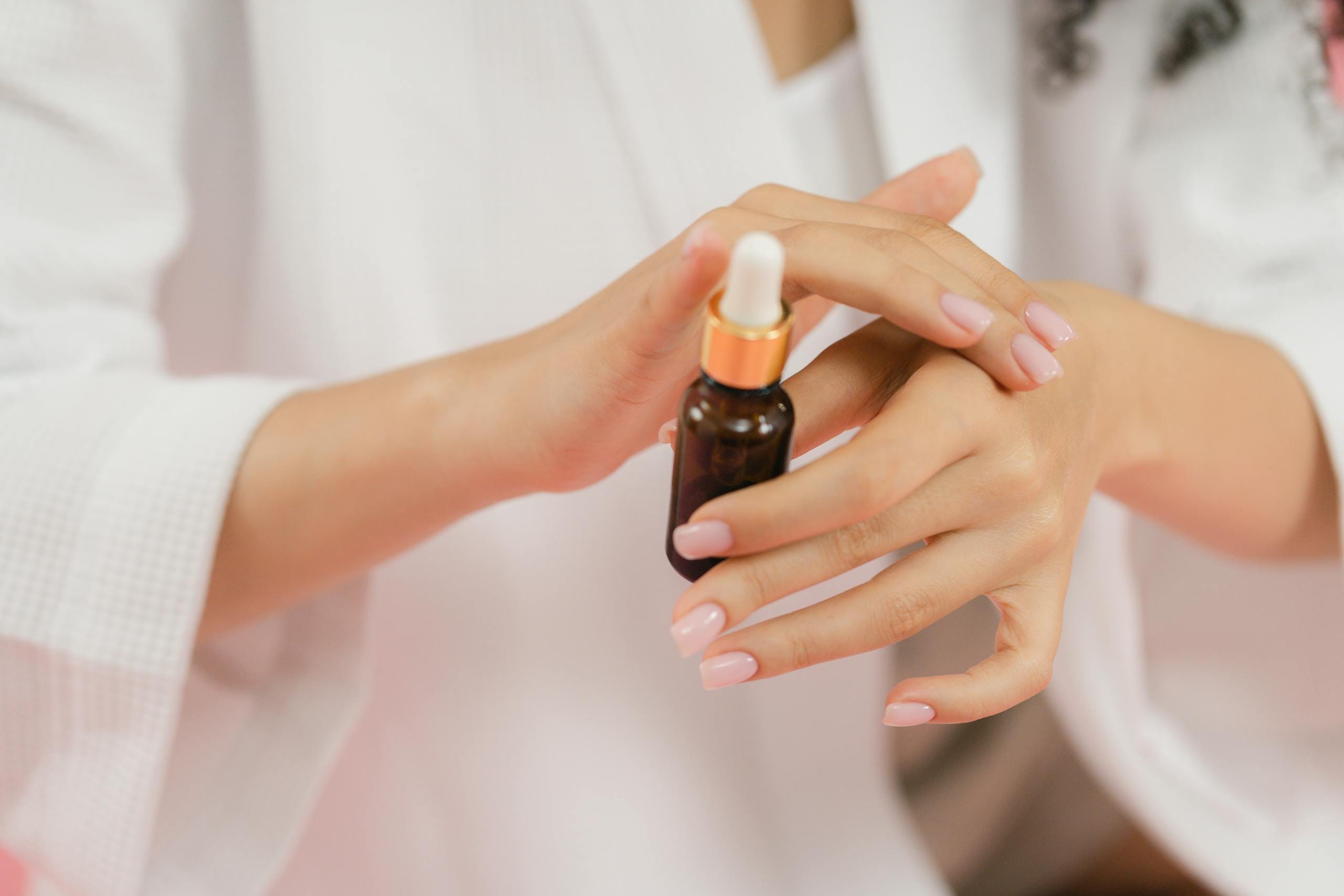
Retinol serum: transform your skin and erase the signs of aging

Wrinkles that fade, radiant complexion, shrinking pores… The retinol serum transforms your skin while you sleep. This vitamin A derivative stimulates collagen and speeds up cell renewal for visible results against signs of aging and imperfections. I have seen amazing transformations in just a few weeks.
What is a retinol serum and what are its main benefits for the skin?
The retinol serum transforms your skin while you sleep. I discovered its powers a few years ago and I can no longer do without it.
Anti-aging properties and actions: wrinkles, fine lines, and complexion radiance
Are you looking for the star ingredient against signs of aging? Retinol wins the gold medal. It stimulates the production of natural collagen and accelerates your skin’s cell renewal. Result? Your wrinkles gradually fade and your complexion regains its former brightness.
I have seen amazing transformations in my clients after a few weeks of regular use. The skin texture refines, the complexion becomes more even. Mature skin loves its restructuring properties. It even diminishes pigmentation spots that dull your face. Your skin looks visibly younger and fresher upon waking.
Effects on imperfections, enlarged pores, and marks
Enlarged pores bother you? The retinol serum makes them shrink. Its gentle exfoliating action deeply unclogs pores. Blackheads and comedones better watch out!
For acne-prone skin, it is a precious ally. It speeds up the healing of pimples and prevents the appearance of new imperfections. Post-acne marks gradually fade thanks to boosted cell renewal. I have seen impressive results on combination to oily skin struggling with stubborn imperfections for years.
Composition and active ingredients of the retinol serum
Retinol is a derivative of vitamin A. Its power comes from its ability to penetrate the deep layers of the epidermis. Unlike surface exfoliants, it acts at the source.
Modern formulas often combine retinol with soothing ingredients:
- Hyaluronic acid for intense hydration
- Niacinamide to reduce redness
- Ceramides to strengthen the skin barrier
- Peptides to amplify the anti-aging effect
This synergy of actives offers visible results while minimizing irritation risks. Concentrations generally vary between 0.01% and 1%, to be chosen according to your experience and skin type.
How to correctly apply a retinol serum for optimal results
Applying the retinol serum follows specific rules. Respect them to transform your skin without irritating it.
Step-by-step application technique
Start with a gentle but thorough cleansing of your face. Impurities and makeup must be completely removed. Dry your skin by gently patting it with a clean towel.
Wait 5 to 10 minutes until your skin is perfectly dry. Residual moisture could increase retinol penetration and cause irritation. Take a small amount of retinol serum – a pea-sized amount is enough for the whole face.
Apply in small dabs on the forehead, cheeks, and chin. Carefully avoid the eye and lip contours, too delicate zones. Gently massage from the center outward until fully absorbed.
Wait a few more minutes before applying your moisturizer. This pause allows the retinol to properly penetrate your skin.
Why is evening the ideal time for retinol?
At night, your skin switches into repair mode. It’s the perfect time for the nighttime beauty routine with retinol. During your sleep, cells regenerate faster and absorb actives better.
Retinol hates light. It degrades it and reduces its effectiveness. Worse, the combination of retinol and sunlight greatly increases the risk of photosensitization. Your skin becomes vulnerable to UV rays, redness, and spots.
I have noticed that my clients achieve much better results with exclusively nighttime application. Upon waking, their skin is brighter, softer, without the side effects of daytime use.
Recommended frequency and progression according to skin profile
Start gently. Once a week is enough for initial applications. Your skin will tell you when to increase the pace. Observe it carefully after each use.
For sensitive skin, maintain this spaced frequency for several weeks. Favor low concentrations (0.01–0.05%). Normal to oily skin can increase to an application every other night after two weeks.
Here is my recommendation according to your skin type:
- Sensitive skin: once a week, concentration 0.01–0.05%
- Dry skin: 1–2 times per week, concentration 0.025–0.1%
- Normal skin: 2–3 times per week, concentration 0.1–0.3%
- Oily skin: 3–5 times per week, concentration 0.1–0.5%
Never increase the frequency if you feel tightness or observe redness. Listen to your skin; it guides you toward your ideal rhythm.
Precautions and advice to limit retinol-related irritation
The retinol serum can sometimes upset your skin. Some simple precautions prevent discomfort.
Tolerance test and gradual start
Before fully adopting it, do a tolerance test. Apply a drop behind your ear or on your jaw. Wait 24 hours and observe. No reaction? You can start.
The “buffering” technique helps sensitive skin. Mix a drop of serum with your moisturizer the first few weeks. This dilution reduces intensity without compromising effectiveness.
The classic mistake? Wanting results too quickly. I have seen many people give up on retinol after irritation caused by too intense use. Patience pays off: gradually increase the retinol concentration and frequency over several months.
Importance of hydration and sun protection
Skin hydration becomes your best friend with retinol. Choose creams rich in hyaluronic acid or ceramides. These ingredients strengthen your skin barrier and prevent dehydration.
Sun protection is non-negotiable the next day. Even on cloudy days, apply at least SPF 30. Retinol makes your skin more vulnerable to UV for several days.
I insist on this point with all my clients: without sun protection, the benefits of retinol are nullified. Worse, you risk worsening the problems you wanted to treat. Integrate this reflex into your morning routine, without exception.
Common mistakes to avoid with retinol serum
Never combine retinol with exfoliating acids on the same night. This combination overloads your skin and causes irritation and redness. Alternate actives: AHA/BHA one night, retinol the next.
Avoid application on damp skin. Retinol then penetrates too deeply and increases the risk of irritation. Always wait until your skin is perfectly dry.
Don’t apply too much! Excessive amount does not accelerate results but multiplies side effects. A pea-sized amount is enough for the entire face.
How to integrate retinol serum into your complete skincare routine
Your retinol serum deserves a strategic place in your routine. Organization counts as much as the product itself.
Order of application and combinations to avoid
Respect this sequence in the evening:
- Gentle cleanser
- Alcohol-free toner (optional)
- Retinol serum on dry skin
- Soothing moisturizer
Some combinations are toxic for your skin. Ban these combinations the same night as your retinol: vitamin C, exfoliating acids (AHA/BHA), other retinoids. These powerful actives need to be on their own!
In the morning, simplify your routine: gentle cleanser, antioxidant serum (vitamin C for example), moisturizer, and sun protection. This complementary organization protects your skin from daytime aggressions.
Adapt your routine according to your skin type and age
The retinol age varies according to your needs. Around 25–30 years old, start preventively with low concentrations. After 35, gradually intensify to target wrinkles and spots.
Dry or mature skin will appreciate a rich moisturizer after the serum. Add a few drops of vegetable oil as the last step to seal hydration.
Oily or combination skin will prefer a light non-comedogenic emulsion. You can also alternate retinol and niacinamide to regulate sebum production.
I have noticed that adaptation is key. Your skin evolves with seasons, stress, and age. Stay attentive and adjust your routine accordingly.
Complementary products to maximize retinol effects
Retinol loves certain partners that boost its effects. The peptide Matrixyl stimulates collagen and perfectly complements retinol’s action. Use them alternately or Matrixyl in the morning.
Antioxidants such as vitamin E stabilize retinol and enhance its benefits. Look for formulas combining these actives or use them separately.
To calm potential irritations, rely on care with panthenol or allantoin. These soothing ingredients are applied over your moisturizer if needed.
Your skin will thank you for this balanced approach. The secret to beautiful skin is not in the amount of products but in their intelligent synergy.
Also read:
- Green tea for the skin: all proven benefits and homemade recipes
- Your skin will thank you: hidden benefits of camelina oil
- Castor oil: these dangers no one tells you about
Take care of yourself
Your skin deserves this revolution. Start tonight with retinol serum, in small doses. Listen to your skin, respect its rhythm. In a few weeks, the mirror will reveal a brighter version of yourself.
Marie
FAQ
How to properly apply a retinol serum without irritating the skin?
Apply the serum on clean, dry skin in the evening. Start with a low concentration (0.01–0.05%) and limit applications to 1–2 times per week. Wait a few minutes then apply a moisturizer. Avoid the eye contour. Always use sunscreen the following morning. Gradually increase frequency according to your skin’s tolerance.
What is the recommended age to start using retinol?
Retinol can be introduced between 25 and 30 years old, when the first signs of aging appear. For younger skin prone to imperfections, consult a dermatologist before starting. Mature skin can use higher concentrations, always starting gradually and monitoring skin tolerance.
How many times per week should one apply a retinol serum to start?
Start with a weekly application for 2–3 weeks. If your skin shows no signs of irritation (redness, peeling, tightness), move to twice a week. Then gradually increase to every other night, then potentially every night if your skin tolerates it well.
Why should retinol be avoided in the morning?
Retinol degrades under the effect of light, losing its effectiveness. It also makes the skin more sensitive to UV rays, increasing risks of burns and hyperpigmentation. Nighttime application allows the product to act during the skin’s natural regeneration phase, optimizing its effects while minimizing risks.
When to see the first results of retinol serum on the skin?
The first results generally appear after 3 to 6 weeks of regular use. You will first notice an improvement in skin texture and radiance. Effects on wrinkles, fine lines, and pigmentation spots manifest after 8 to 12 weeks. Consistent application is essential to maintain and improve these results.