

Prenatal yoga: transform your pregnancy naturally

Painful backs? Roller-coaster emotions? Prenatal yoga for pregnant women transforms your pregnancy from the very first session. Gentle postures and adapted breathing immediately relieve your physical tensions while calming your mind. A double benefit that also prepares your body for childbirth.
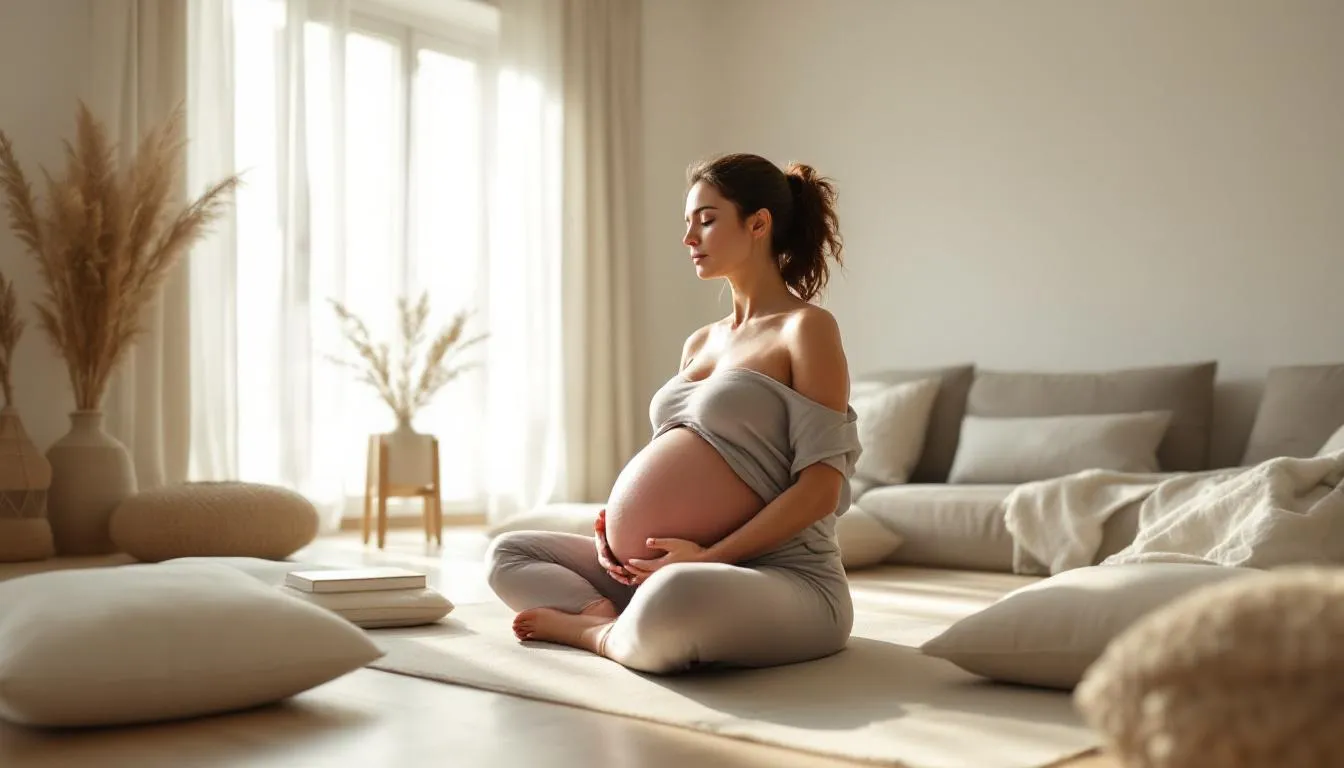
The Immediate Benefits of Prenatal Yoga
Prenatal yoga training literally transforms the body and mind.
Improving Physical Well-being
Feeling tension in your back? The gentle postures of prenatal yoga are your solution. I have seen hundreds of expectant mothers regain their mobility thanks to these adapted movements. These exercises relieve your tense muscles, especially in the lower back and pelvis.
Regular practice also improves your blood circulation. No more heavy legs and swelling! Your tissues receive more oxygen, which reduces the risk of varicose veins. Strengthening the pelvic floor, a key element of any prenatal yoga training for pregnant women, also prepares your body for the physical changes in the coming months.
Bringing Emotional Balance
Pregnancy disrupts your hormones. Do you feel it? Prenatal yoga offers you a haven of peace. Breathing techniques instantly calm your nervous system and reduce anxiety.
By connecting to your breath, you create a unique bond with your baby. This deep connection nurtures your self-confidence. My students often tell me that after a session, they feel more serene facing the challenges of motherhood. Prenatal pregnancy yoga then becomes much more than a simple physical activity – it is genuine emotional support.
Preparation for Childbirth with Prenatal Yoga
Worried about the big day? Prenatal yoga training gives you concrete tools to face it calmly.
Strengthening the Muscles Needed During Childbirth
Your body must prepare for intense work. Prenatal yoga precisely targets the muscles that will facilitate birth. I particularly emphasize exercises that strengthen the abdominal belt and the perineum.
The “cat-cow” posture is magical for loosening your spine. It also relieves your lower back pain. Kegel exercises, meanwhile, tone your pelvic floor. A supple and strong pelvis favors a smoother childbirth. These techniques, at the heart of prenatal pregnancy yoga benefits, prepare your body to accompany the natural movements of labor.
Breathing Work for the Big Day
Breathing properly changes everything during childbirth. Prenatal yoga techniques teach you to control your breath even during the intensity of contractions.
Pranayama (yogic breathing) optimizes oxygenation of your tissues and your baby. You will learn to:
- Slow down your breathing during moments of discomfort
- Use prolonged exhalation to release tension
- Synchronize your breath with contraction waves
- Save your energy between phases
These techniques become powerful allies against pain. They help you stay present and work with your body rather than fight against it.
Recommended Techniques and Postures
Each prenatal yoga training adapts its postures according to your body’s evolution. Here is how to practice safely.
Exercises Adapted for Each Trimester
First trimester: your body changes subtly. Nausea can be bothersome. I recommend gentle stretches and deep breathing. Light twists often relieve digestive discomfort without compressing the abdomen.
In the second trimester, energy returns! It’s the perfect time to strengthen your body. Modified downward dog (with supports) tones your arms and back. Balance postures improve your stability facing your shifting center of gravity.
For the third trimester, favor seated positions and hip openings. The butterfly pose prepares your pelvis for childbirth. Gentle prenatal yoga techniques like ocean breathing calm your mind during long waits.
Key Postures to Relieve Pain
Lower back pain torturing you? The adapted low lunge is your friend. It stretches your hip flexors and decompresses your lower back. Hold the pose for 5 breaths and feel immediate relief.
For heavy legs, nothing beats gentle inversions. Lie on your back and place your legs against a wall. This posture boosts your venous circulation in minutes. The butterfly pose, practiced regularly, loosens your hips and prevents pelvic pain. These exercises are the very essence of therapeutic prenatal pregnancy yoga.
Contraindications and Precautions
Safety first! Certain situations require special attention before starting prenatal yoga training.
Situations Requiring the Opinion of a Healthcare Professional
Are you experiencing bleeding? Consult immediately. Contraindications for prenatal yoga start with this absolute rule. Other conditions require prior medical advice: gestational diabetes, hypertension, persistent headaches.
Premature contractions are a warning sign. Suspend your practice and discuss it with your midwife. Some multiple or high-risk pregnancies also require specific supervision. Your health and your baby’s come first. Never hesitate to seek advice from your medical team before continuing or starting prenatal yoga.
Postures to Avoid Depending on the Stage of Pregnancy
Forget poses on your stomach from the start! They compress the uterus and can be uncomfortable. After the first trimester, also avoid deep twists that compress your internal organs.
Intensive breathing like Kapalabhati is contraindicated. It can trigger premature contractions. Jumps, full inverted postures, and extreme stretches are also to be avoided. Always adapt classic poses with supports (cushions, blocks, straps). This caution is an integral part of any serious prenatal yoga training for pregnant women.
How to Choose Your Prenatal Yoga Class
Finding the ideal class changes everything. Here are my tips to select a prenatal yoga training that suits you.
Criteria for Selecting a Good Teacher
Experience matters. Your prenatal yoga teacher must have specific pregnancy training. Check their qualifications and ask how long they have been teaching pregnant women.
Adaptation ability is essential. Every pregnancy is unique. A good teacher personalizes postures according to your particular needs. They must know the anatomy of pregnant women and the physiological changes of each trimester. Ask questions during first contact. A passionate teacher will answer enthusiastically and precisely.
Recommended Frequency and Duration for Sessions
Consistency outweighs intensity. A weekly session of 45-60 minutes is an ideal base to benefit from prenatal pregnancy yoga. You can complement with 15 minutes daily at home.
Listen to your body. Some days you will be full of energy. Other days, you’ll prefer a gentler practice. This is perfectly normal. The quality of your attention matters more than session length. Adapt your practice according to your pregnancy’s progression. In the third trimester, favor shorter but more frequent sessions to respect your fatigue level.
Take Care of Yourself
Your body deserves this prenatal yoga training for pregnant women. Don’t wait any longer! Offer yourself this bubble of serenity starting this week. One session is enough to feel the difference. Breathe, stretch, connect with your baby.
Amanda
Also read:
- Mindfulness Meditation Exercises: Practical Guide for Beginners
- Indian Ayurvedic Massage: Release Your Body from Accumulated Stress
- Amma Chair Massage: Benefits, Procedure, and Tips
FAQ
How Does Prenatal Yoga Help Manage Stress During Pregnancy?
Prenatal yoga reduces stress thanks to controlled breathing techniques, meditation, and relaxing postures. These practices lower cortisol levels while promoting endorphin production. The resulting improved blood circulation creates an overall sense of well-being. This combination of physiological effects helps expectant mothers better manage anxiety related to their pregnancy.
What Are the Differences Between Traditional Yoga and Prenatal Yoga?
Prenatal yoga adapts traditional yoga to the needs of pregnant women. It excludes risky postures such as abdominal twists and inversions. The focus is on muscle strengthening specific to pregnancy and respiratory exercises preparing for childbirth. The approach is gentler, with a rhythm adjusted to the evolving needs of pregnant women during the different trimesters.
How Often Should Prenatal Yoga Be Practiced to Gain All Its Benefits?
A practice of two to three sessions per week offers the best results. This frequency allows you to fully enjoy physical benefits (flexibility, muscle tone) and mental benefits (stress reduction). Short but regular sessions every other day are more effective than a single long weekly session.
Can Prenatal Yoga Help Avoid a Cesarean Section?
Prenatal yoga can reduce some risk factors leading to a cesarean, such as prolonged labor or excessive stress. Breathing exercises and pelvic floor strengthening promote natural childbirth. However, every pregnancy is unique and medical decisions must always be made with healthcare professionals.
Is It Possible to Practice Prenatal Yoga at Home?
Yes, home practice is possible. First start by attending a few classes with a qualified teacher to learn correct postures adapted to your situation. Then complete with sessions at home following videos or specialized programs. Always respect your physical limits and your pregnancy’s progression.


