Mindfulness Meditation Exercises: Practical Guide for Beginners

Five minutes a day is enough. Mindfulness meditation exercises transform your daily life by bringing your attention back to the present moment. This ancient practice reduces stress and improves concentration. It provides a profound well-being accessible to everyone.
These exercises change everything
I discovered these techniques several years ago and they accompany me every day.
Breathing: your anchor to the present
Conscious breathing remains the fundamental technique. I sit comfortably with a straight back. I close my eyes and focus on the movement of air in my nostrils. When my mind wanders, I gently bring it back to my breath. No judgment, just observation.
This practice immediately develops your concentration. Three to five minutes are enough to feel its calming effects. The breath becomes your anchor point, always accessible.
The 30-second pause that changes everything
This technique has saved me more than once in intense moments of stress. I take a deep breath through the nose, hold the air for a few seconds, then slowly exhale through the mouth. I stay attentive to physical sensations.
At the office, in transport, before an important meeting: this pause adapts to all situations. It becomes your emotional lifesaver.
Body scan: a deep reconnection
Lying down or sitting, I mentally scan each part of my body. I start from the top of the head and gradually descend to the toes. I observe the tensions, the relaxations, the warmth, the cold. Without trying to change anything.
Some areas seem tense? Others completely relaxed? This practice reveals our inner state. Five to ten minutes are enough to start. Over time, I have learned to identify my recurring tension areas.
- Also read: All about Ericksonian hypnosis
Your daily practice becomes simple
Mindfulness meditation exercises naturally integrate into your life.
A routine that adapts to you
I start my day with five minutes of meditation. The morning offers this calm conducive to the practice. Some prefer the evening to unwind. The important thing? Regularity, not duration.
I note my impressions in a notebook. This written record helps me observe my progress. Apps like Headspace or Petit BamBou can guide you, but silence remains your best ally.
Turning every gesture into meditation
Eating becomes a meditation. I savor every bite, feel the textures, the scents. Dishwashing turns into a practice: the hot water on my hands, the sliding foam, the sound of the water.
Walking mindfully revolutionizes your trips. I feel my feet touching the ground, the movement of my legs, the air on my face. These ordinary moments become extraordinary.
Different approaches for all temperaments
Everyone finds their way among the different mindfulness meditation exercises.
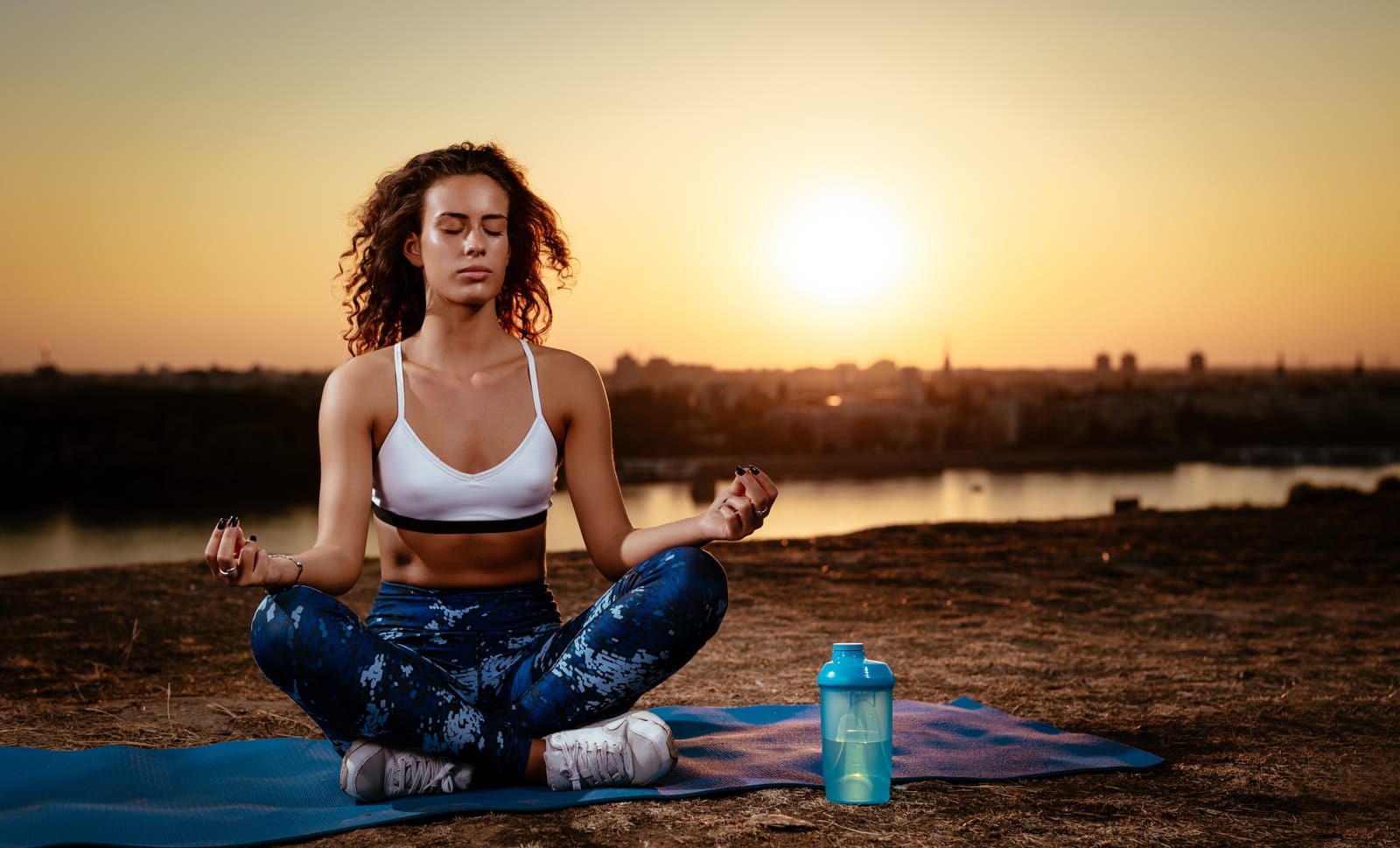
Seated meditation: the traditional base
Comfortable position, straight back, eyes closed. I focus on my breathing. When thoughts come, I observe them like passing clouds, then return to my breath.
Five minutes to start. Some practice for an hour. Your body guides you. A meditation cushion helps, but a simple chair works perfectly.
Conscious yoga: moving while meditating
Different from traditional yoga, this practice emphasizes sensations. I perform each posture while staying attentive to my body, to my breathing. Performance does not exist here; only presence matters.
Simple postures suffice: mountain, tree, child. The quality of your attention matters more than the complexity of movements.
The five senses as entry points
I observe what surrounds me: colors, shapes. I listen to sounds without analyzing them. I smell odors, touch textures, fully taste if I eat.
This technique brings me back to the present in moments of anxiety. In nature, it becomes particularly powerful.
Benefits confirmed by science
Research confirms what practitioners have felt for a long time.
Your mind transforms
Regular practice of mindfulness meditation exercises reduces anxiety and stress. Mental ruminations fade. Concentration improves.
Studies show a significant reduction in depressive symptoms. Our brain develops new neural connections. Emotional resilience strengthens.
Your body thanks you
My sleep improved from the first weeks of practice. Blood pressure decreases, the immune system strengthens. You manage chronic pain better.
Cortisol, the stress hormone, drops significantly. These measurable physiological changes confirm the deep impact of the practice.
Overcoming practice challenges
Every practitioner faces obstacles. Here is how I get through them.
Difficulties are part of the path
Is my mind restless? Normal. I gently bring it back to my meditation object. Does impatience arise? I observe it without judgment. Some days, five minutes seem endless. Others, an hour passes like a flash.
Adapt the exercises to your daily life. No time in the morning? Meditate during transport. Difficulty sitting still? Practice while walking.
Resources to progress
“The Art of Meditation” by Matthieu Ricard helped me a lot. Apps like Insight Timer offer free guided sessions. Practice groups provide precious support.
Joining a local or online community maintains motivation. Sharing experiences enriches your practice.
Take care of yourself
Mindfulness meditation exercises offer a path to more serenity and presence. Start small, be patient with yourself. Every moment of practice counts. This inner transformation then radiates into all aspects of your life.
Marie
FAQ
What are the most effective mindfulness exercises for beginners?
Conscious breathing, the 30-second pause, and simple body scan constitute the best techniques to start. These exercises are practiced in a few minutes and bring immediate benefits. Their simplicity allows easy integration into daily life.
How to practice mindfulness meditation daily?
Integrate mindfulness into your usual activities by staying attentive to the present moment. Practice at strategic times like morning upon waking or evening before bed. Five daily minutes are enough to feel the benefits on your mental and physical well-being.