How to quickly calm a panic attack?

The heart racing, breath cut off. A panic attack strikes without warning. I’ve been through it and found effective solutions. Breathe deeply, move away from stress, and redirect your mind. These three simple methods will help you regain control when anxiety overwhelms you.
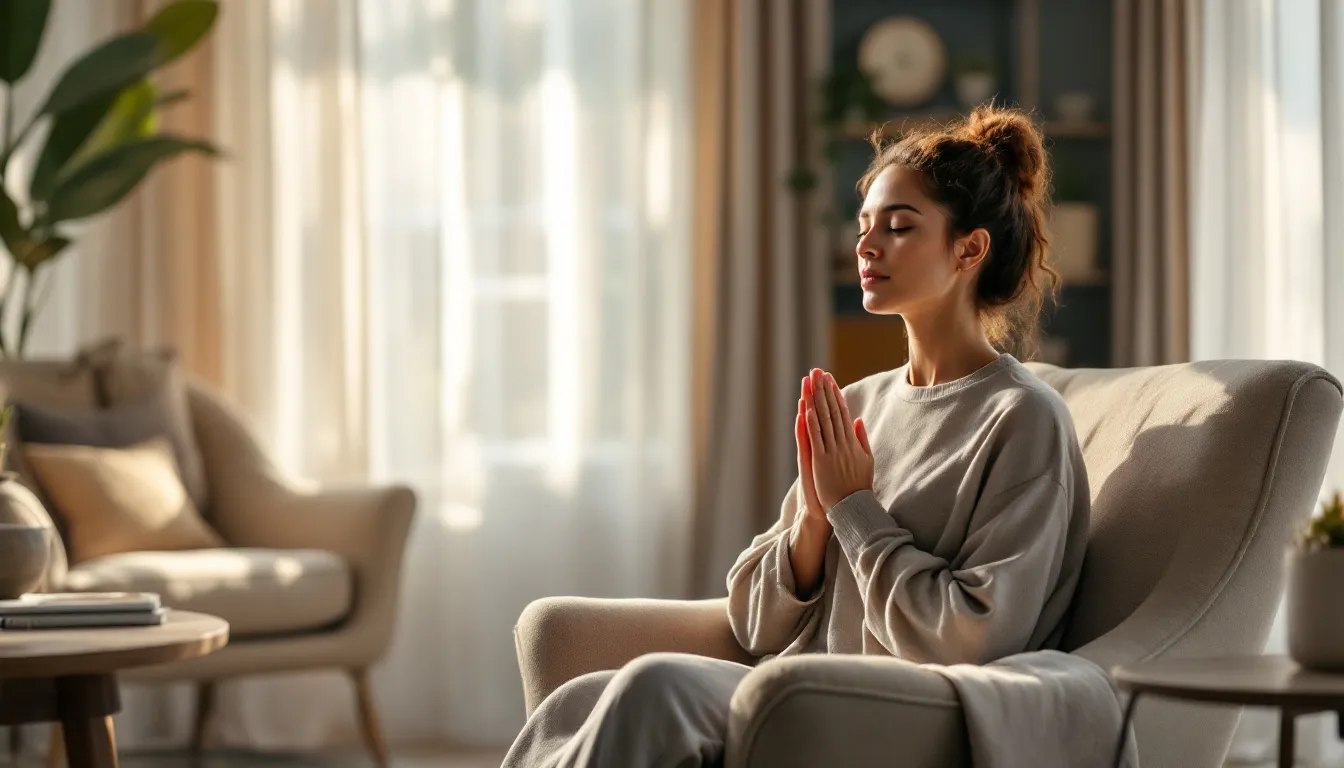
What to do when a panic attack occurs?
The heart races. Breathing accelerates. Your mind wanders. A panic attack hits you without warning. Don’t panic, exactly! Here are three methods I personally use to regain control.
Practice controlled breathing
Controlled breathing is your best ally against anxiety. I discovered this technique during my first panic attack, and it saved me. Start by slowly inhaling through your nose for four seconds. Hold your breath for four seconds. Exhale gently through your mouth for four seconds. Repeat this cycle until you feel your body relax.
This method works because it sends a calm signal to your brain. You regain control of your breathing, then your thoughts. Have you noticed how our breath directly influences our emotions? It’s the basis of any effective stress management.
Move away from the source of stress
Identify what triggers your discomfort. Then step away. It seems simple, but in panic, we often forget. Look for a quiet place, a temporary refuge where you can breathe.
For me, it’s often a bathroom or a quiet corner of a park. The important thing? Find a space where you feel safe. Sometimes simply going outside to get some air is enough to defuse a developing panic attack. Your environment directly influences your anxiety level.
Use mental distraction techniques
Your mind needs a new direction. Distraction techniques redirect your attention away from panic. Choose a method that suits you:
- Focus on an object and mentally describe it in detail
- Count backwards from 100 in steps of 7
- Recite the lyrics of a song you love
- Name five things you see, four you hear, three you touch
I often use the 5-4-3-2-1 technique that engages all my senses. It grounds my mind in the present and distances catastrophic thoughts typical of a panic attack.
What are the techniques to manage a panic attack at work?
The office: a minefield for anxiety. How to manage a panic attack when surrounded by colleagues? I’ve tested these discreet but effective methods.
Identify a safe space
Scout in advance for places to take refuge. I have my little secret spot in every place I frequent. At the office, it could be a rarely used meeting room, a corner of the cafeteria, or even your car.
Knowing these spaces reduces anticipatory anxiety. You know where to go if symptoms appear. This mental preparation gives you a feeling of control. And in stress management, control makes all the difference.
Practice box breathing
Box breathing is my favorite technique at work. It’s invisible to colleagues but powerful for you. Inhale for 4 seconds. Hold for 4 seconds. Exhale for 4 seconds. Wait 4 seconds before restarting.
You can practice it during a meeting without anyone noticing. I like to visualize a square being drawn in my mind at each step. This method quickly calms the nervous system and reduces the physical symptoms of anxiety.
Use relaxation apps
Technology is becoming our ally against panic attacks. I always have my phone loaded with guided meditation apps and breathing exercises. Sometimes two minutes are enough to defuse an attack.
Some apps offer express sessions of 1 to 3 minutes, perfect for a bathroom break. Others provide soothing sounds to listen to discreetly with headphones. Download a few and test those that suit you best.
How to prevent panic attacks?
Prevention is better than cure. This phrase takes on full meaning with panic attacks. Here’s how I reduced their frequency and intensity.
Adopt a daily breathing routine
Controlled breathing should not be reserved for crisis moments. I integrated 5 minutes of breathing exercises into my morning routine. Like a musician who practices, you develop a reflex.
Diaphragmatic breathing is particularly effective. Place a hand on your belly and breathe deeply to make it rise. This technique strengthens your ability to handle daily stress. Practice it every day, even when everything is fine.
Reduce stimulant consumption
The coffee you love might be your worst enemy. I discovered that limiting my caffeine consumption drastically reduced my panic attacks. Caffeine speeds up heart rate and can trigger or amplify anxiety.
Alcohol and nicotine also play troublemaker roles. These substances disrupt your brain chemistry and your sleep. Gradually replace these stimulants with gentler alternatives. I swapped my coffee for green tea, with amazing results.
Practice regular physical activity
Move your body to soothe your mind. Physical exercise is my natural antidepressant. It releases endorphins, those feel-good hormones that fight anxiety at the source.
Thirty minutes of moderate activity is enough. Fast walking, swimming, yoga, dancing… Choose what pleases you. Movement releases accumulated tension and prevents panic attacks. I started with simple daily walks before expanding my activity repertoire.
What are the early warning signs of a panic attack?
Learning to recognize the early warning signs of a crisis changes everything. Your body sends signals. Listen to it.
Increased heart rate
Your heart suddenly races for no apparent reason. This accelerated beat is often the first sign of an imminent panic attack. I learned to take my pulse as soon as I feel this acceleration.
This awareness of heart rate allows you to act before the crisis reaches its peak. Place your hand on your heart. Breathe deeply. Remember that this feeling, although unpleasant, is not dangerous. Your heart is strong.
Sensation of suffocation or tightness
An invisible pressure seems to compress your chest. You can no longer breathe normally. This sensation of suffocation often triggers a spiral of fear that worsens anxiety.
I have experienced these terrifying moments. The key? Remember that this sensation is temporary. Loosen your clothes. Open a window. Focus more on exhaling than inhaling. Blow slowly as if to extinguish a distant candle.
Fear of losing control or dying
Your mind races with catastrophic thoughts. “I’m going to faint.” “I’m losing my mind.” “I’m going to die.” These thoughts are typical of a panic attack and constitute a major early warning sign.
Fight these thoughts with realistic affirmations. I repeat to myself: “This is a panic attack, not a heart attack.” “I’ve been through this and survived.” “This feeling will pass.” Name what you are experiencing to take away its power.
Treatments and therapies for panic attacks
Beyond emergency techniques, long-term solutions exist. I explored several approaches before finding my winning combination.
Undergo cognitive behavioral therapy (CBT)
Cognitive-behavioral therapy transformed my relationship with anxiety. This approach identifies and modifies negative thinking patterns that fuel your attacks.
A CBT therapist helps you deconstruct your automatic thoughts. You learn to replace them with more realistic interpretations. I discovered that my crises were often triggered by cognitive distortions I was unaware of. CBT gave me concrete tools to recognize and neutralize them.
Try meditation exercises
Meditation is not a passing trend but a powerful tool against anxiety. I was skeptical at first, but the results convinced me. Five daily minutes are enough to start.
Mindfulness teaches you to observe your thoughts without judging them. This emotional distance reduces their grip on you. Apps like Petit Bambou or Headspace offer excellent beginner programs. I started with guided meditations of 3 minutes before gradually increasing.
Consider medication treatment if necessary
Medications are not a failure but sometimes a temporary necessity. I resisted for a long time before accepting this help. Some situations justify pharmacological support prescribed by a doctor.
Antidepressants can reduce the frequency of panic attacks. Anxiolytics relieve acute symptoms. These medications create a therapeutic window during which you can learn other management techniques. Consult a doctor to discuss options suited to your particular situation.
Take care of yourself
Breathe. Now. Choose a technique and try it today. Your body is speaking to you; listen. Panic is not inevitable. Take this first step toward serenity. You deserve this inner peace.
Amanda
Also read:
- How does Reiki work? What is Reiki for?
- How does a Reiki session take place?
- Zen bioenergetic massages in Arras: benefits and specialized centers
FAQ
How do I know if I am having a panic attack?
A panic attack manifests through several physical and psychological symptoms: increased heart rate, shortness of breath, excessive sweating, trembling, chills, nausea, and an intense feeling of fear. These symptoms appear suddenly, reach their peak intensity within a few minutes, and can last up to about 30 minutes.
What are the risks associated with recurring panic attacks?
Repeated panic attacks can lead to avoidance behaviors of situations perceived as anxiety-provoking. Over time, these avoidances can develop into agoraphobia (fear of public places) or depression. Quality of life progressively decreases as the person restricts their activities for fear of new attacks.
Can panic attacks be hereditary?
Yes, panic attacks have a genetic component. Family predispositions increase the risk of developing this disorder. Research shows that a person whose parent suffers from panic disorders is more likely to develop them as well. This transmission is not systematic, however, and environmental factors also play an important role.
Should I see a doctor after my first panic attack?
Seeing a doctor after a first panic attack is strongly recommended. This step allows ruling out possible cardiac or respiratory problems with similar symptoms. A healthcare professional can also evaluate underlying causes and propose management strategies adapted to your personal situation.
Are there foods to avoid to prevent panic attacks?
Certain foods and drinks can worsen anxiety and promote panic attacks. Limit consumption of coffee, black tea, energy drinks, and other sources of caffeine. Alcohol, although relaxing short-term, can increase anxiety during withdrawal. Foods rich in refined sugars cause destabilizing glycemic spikes.