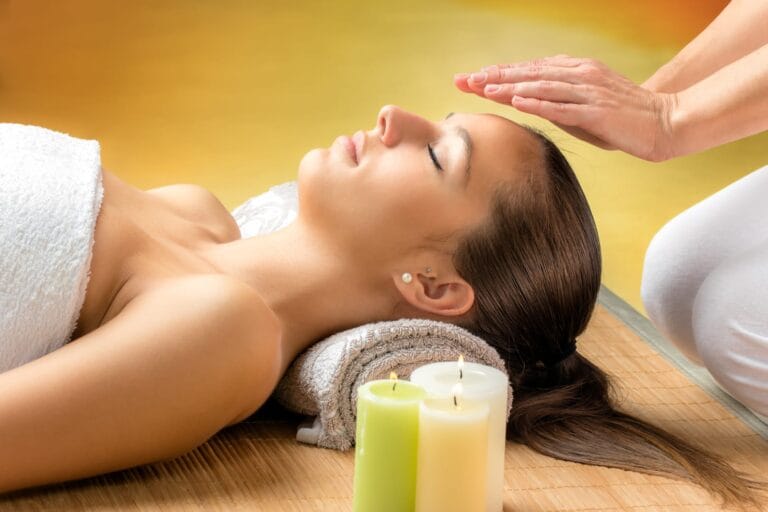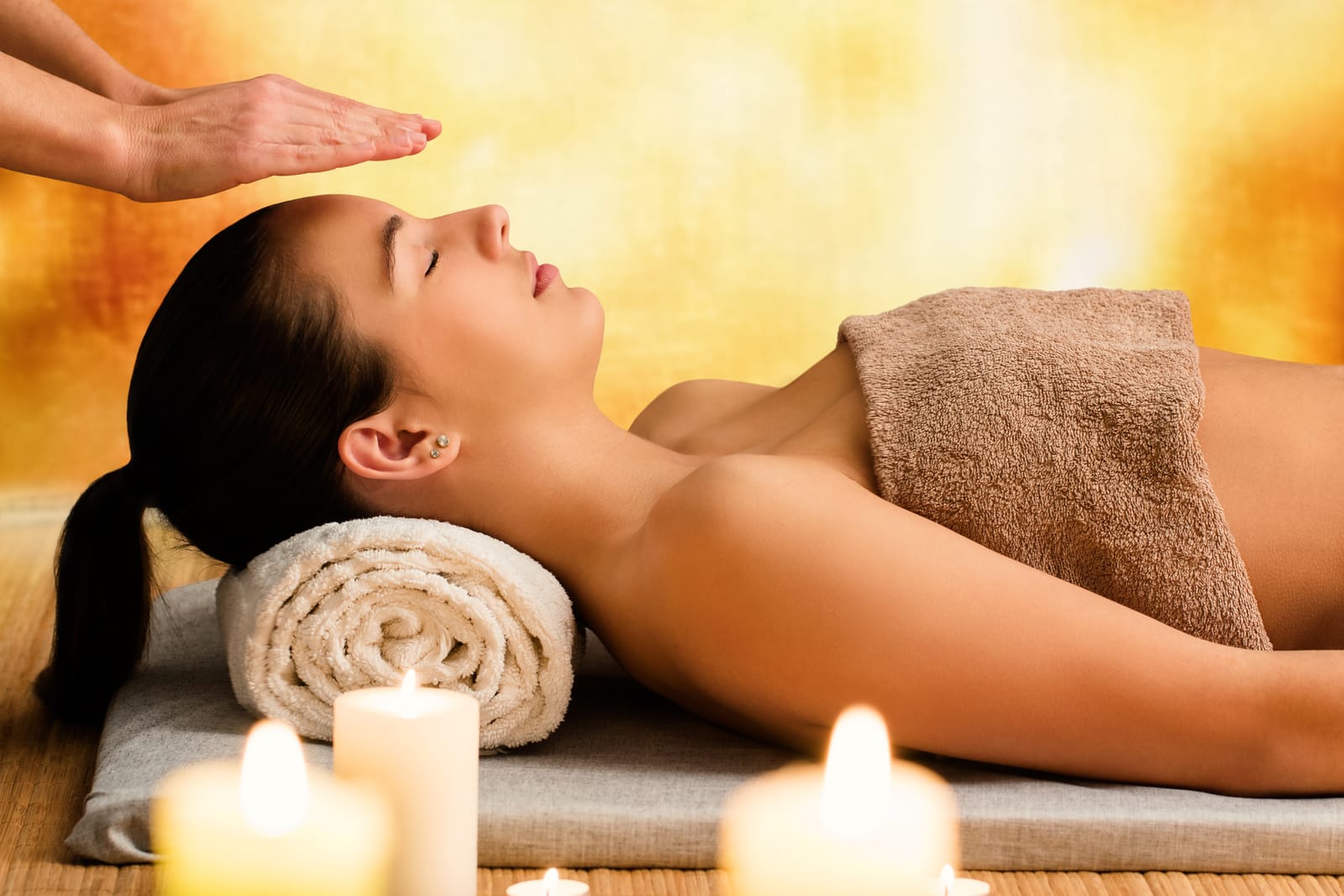
How does Reiki work? What is Reiki used for?

Have you ever heard of Reiki? This softly sounding word refers to a Japanese-inspired energy healing method through the laying on of hands. Founded by Mikao Usui at the beginning of the 20th century, Reiki has since crossed borders to integrate into wellness practices in the West. So, what lies behind this ancient practice? Let me explain how Reiki works.
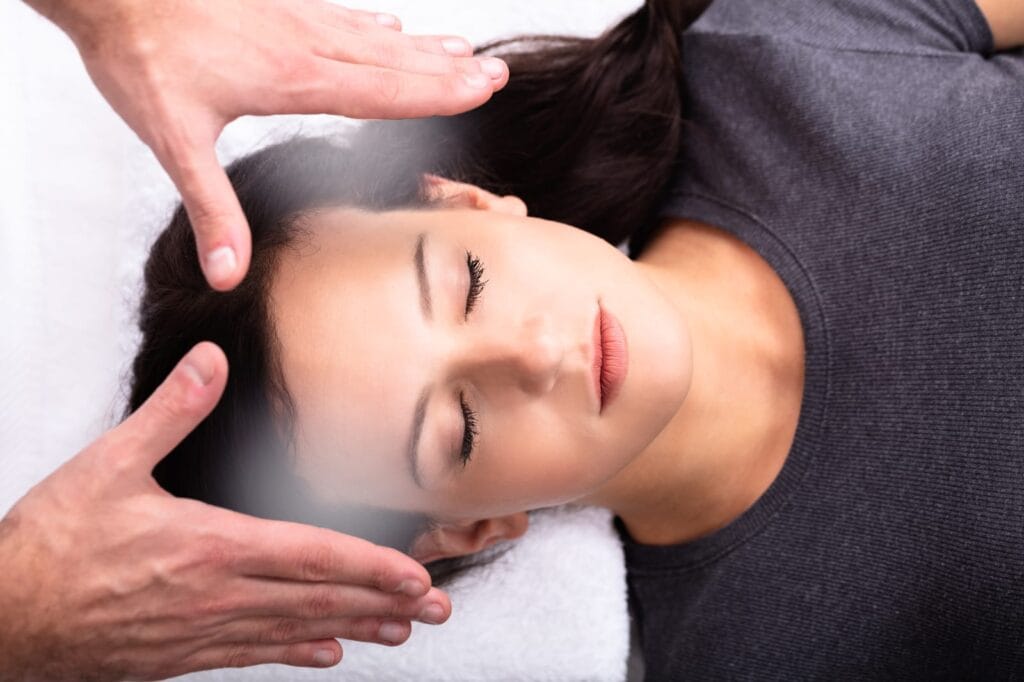
Reiki: a subtle energy for deep well-being
Imagine an invisible energy current, somewhat like radio waves. The Reiki practitioner channels this universal energy to transmit it to another person, or even an animal or a plant. The goal? To increase well-being, strengthen health, or stimulate natural healing processes. Quite appealing, isn’t it?
This energy, although subtle, instinctively moves toward the areas of the body that most need it, bringing with it a breath of vitality and calm. But then, where do the practitioner’s hands go? They are placed where intuition leads or simply where the client wishes.
The many benefits of Reiki
Regularly receiving Reiki sessions has several positive effects. Beyond improving health, it brings peace of mind, increased vitality, and renewed inner radiance. Who has never dreamed of chasing away tensions and pains, to make room for a feeling of inner peace?
Reiki is based on universal energy. This explains the profound mental and physical relaxation felt during sessions. It is fascinating to see that simple contact – or even the absence of direct contact – can bring so much well-being.
The chakras at the heart of the Reiki process
In Reiki, energy is not only directed towards painful areas, but also towards chakras, those famous energy centers of the body. Indian mythology speaks of 88,000 chakras, but to keep it simple, let’s focus on the seven main ones. Each of them is linked to specific parts of the body, organs, and even emotions. Receiving Reiki on a chakra is equivalent to nourishing the corresponding organs with energy.
A holistic approach to well-being
Reiki does not only address symptoms. It tackles the very roots of imbalances by acting on the physical, energetic, emotional, and mental levels. Rather than treating a disease or an isolated disorder, Reiki considers the person as a whole. This promises total inner harmony.
Ethics and consent in Reiki
Obviously, no energy healing practice should be performed without the informed consent of the receiver. In cases of distant energy transmission, respecting the will of the person concerned is even more crucial. This ethics guarantees maximum trust and effectiveness.
Finally, who has never wanted to be pampered and take a moment for themselves? If the discovery of Reiki interests you, why not make an appointment for a session? You might be pleasantly surprised by the deep and beneficial impact of this ancient Japanese energy.