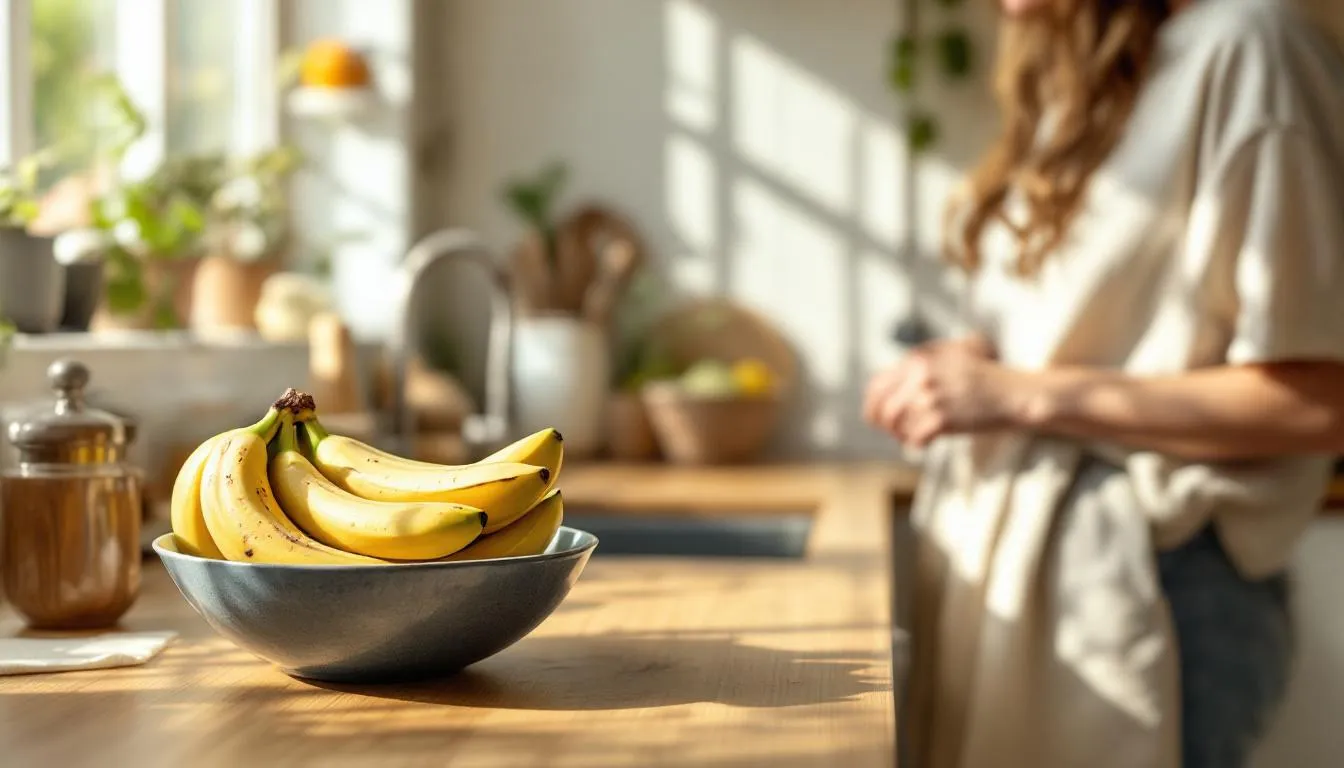
How the banana naturally acts against your belly fat

The banana against belly fat? This ordinary yellow fruit hides a slimming secret. Rich in fiber, it fights bloating, nourishes your gut flora, and creates lasting satiety. Its resistant starch boosts your metabolism while its potassium eliminates retained water. Your flat belly awaits you.
The benefits of banana for losing belly fat
The banana, this yellow fruit so familiar, hides a true slimming treasure. I discovered its powers on the figure and I want to share them with you.
The banana effectively fights belly fat thanks to its fibers and nutrients. It supports your gut flora, promotes smooth transit, and reduces bloating. You will regain a flatter stomach by eliminating gas and water retention.
Eat bananas regularly to reduce your visceral fat. Their richness in resistant starch and pectins increases your energy expenditure. Regardless of their ripeness, they remain your slimming ally by creating a lasting sensation of satiety.
How does banana act on the gut flora?
Did you know your belly hosts a whole ecosystem? The banana nourishes it perfectly.
It contains soluble fibers like pectin and resistant starch, especially when unripe. These elements serve as a feast for the good bacteria in your microbiota. A balanced flora facilitates your digestion and limits fat absorption.
I recommend regular consumption to improve your transit and protect your digestive mucosa. The banana also stimulates the production of short-chain fatty acids, essential for your digestive immunity and your weight.
What is the effect of banana fibers on satiety?
The fibers of the banana are your best allies against cravings. Here’s why.
Pectin and resistant starch slow down your stomach emptying. Result? You stay full longer. This natural mechanism helps you control your appetite throughout the day.
Often a simple portion is enough to reduce what you eat at the next meal. I personally noticed that my snacking desires decreased after integrating this fruit into my daily diet.
The nutritional characteristics of banana
Banana is not just a delicious fruit. It is a real nutritional powerhouse in your hand.
This balanced fruit provides quick energy with a moderate glycemic index, especially when slightly green. It contains B vitamins, vitamin C, potassium, magnesium, and antioxidants. With 75% water, it remains digestible and hydrating.
What is the composition in fibers and nutrients of banana?
The hidden treasures of banana deserve your attention. Discover its nutritional richness.
Each banana offers you 2 to 3 grams of varied fibers: pectins, resistant starch, and cellulose. This combination balances your microbiota and protects your intestine.
In terms of minerals, it shines with its content in potassium (350 mg/100g), magnesium, manganese, and vitamin B6. This nutritional profile supports your metabolic energy and immune defenses. I noticed a clear improvement in my vitality since I consume it regularly.
What difference between ripe and unripe banana?
Green or spotted yellow, your banana changes properties. The difference is astonishing.
The unripe banana contains more resistant starch, poorly absorbed by the body. Its appetite suppressant effect is more pronounced. When ripening, starch transforms into simple sugars (glucose, fructose, sucrose). The ripe banana becomes sweeter with a higher glycemic index.
Favor the unripe banana for satiety and glycemic stability. Choose the ripe banana when you seek quick energy and easy digestion. Both versions have their place in your diet depending on your current needs.
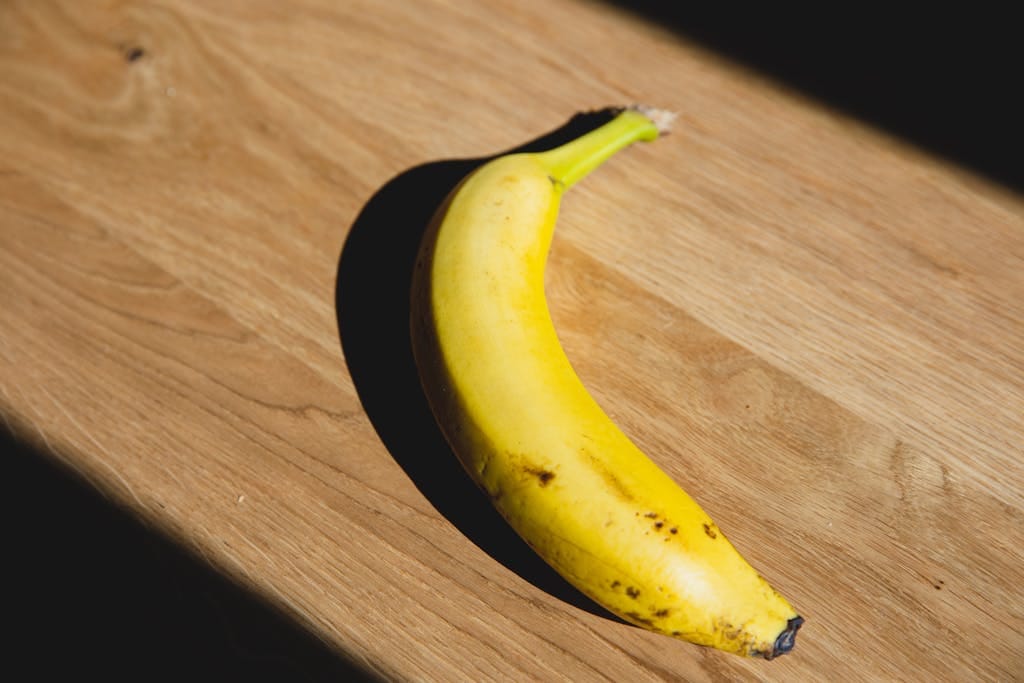
Using Banana in a Slimming Program
Include banana in your slimming program? A brilliant idea. Here’s why.
It brings you energy, keeps you full for a long time, and limits your cravings for high-calorie foods. Contrary to popular belief, it does not make you gain weight in a varied diet. Use it as a snack before or after sport, or as a breakfast base instead of industrial products.
How to integrate banana into a balanced diet?
Your banana deserves its place on your plate. Here are my practical tips.
I suggest consuming it plain, with other fruits, in a smoothie, or on yogurt. The unripe banana at breakfast or as a snack will stabilize your appetite and your glycemia.
Try these tasty options:
- Mashed on wholegrain bread with a touch of cinnamon
- Sliced into a porridge with oats flakes
- Blended with yogurt and berries for an energizing smoothie
- Frozen then blended for a natural ice cream dessert without added sugar
Vary the pleasures while maintaining overall balance of your meals.
Tips for choosing and consuming banana at the right time
Timing matters as much as choice. Maximize the benefits of your banana.
For an optimal satiety-inducing effect, favor unripe banana in the morning or before sport. The ripe banana, sweeter, will be ideal just after effort to recharge your energy reserves.
Listen to your hunger and avoid excessive consumption. I advise you to vary fruits and complement with vegetables for a complete micronutrient intake. I have adopted this rhythm for years and the results on my fitness are remarkable.
Impact of banana on stress, glycemia and water retention
Banana does much more than sculpt your silhouette. It soothes your entire body.
This fruit positively influences your stress management, stabilizes your glycemia, and regulates your water retention. Its minerals act directly on muscle and nerve relaxation. Banana does not cause sharp glycemic spikes, especially when consumed unripe.
What role do magnesium and potassium play in weight management?
These minerals are your hidden slimming allies. Their action is powerful and little known.
The potassium in banana helps eliminate sodium and promotes kidney detoxification. This mechanism prevents water retention and fights the bloated stomach feeling that many of you know too well.
Magnesium, meanwhile, relaxes your muscles and helps manage stress. Less stress means fewer compulsive eating behaviors. I have noticed my clients regain better control of their diet by integrating this fruit into their routine.
Banana and insulin stabilization
Your glycemia directly influences your figure. Banana regulates it naturally.
Resistant starch and fiber slow down sugar absorption into your blood. This action stabilizes insulin secretion, a key hormone for limiting the storage of belly fat.
With limited glycemic peaks, your body stores less and your cravings decrease. People prone to insulin resistance particularly benefit from unripe banana. I have seen amazing results in those who adopted it as a regular snack.
Banana: a healthy and minimally contaminated fruit
Good news for your health: banana is naturally protected. Its thick skin acts as a barrier.
This fruit contains few pesticides compared to other tropical fruits. Its thick skin protects it during cultivation and transport. A reassuring choice if you monitor your exposure to chemical residues. It remains stable, easy to transport and store, preserving its nutrients.
Why is banana interesting compared to pesticides?
In a world where chemicals surround us, banana offers a haven of purity.
Its thick skin acts as a natural barrier against pesticides. This considerably reduces migration of chemical substances into the pulp you eat.
Even conventional (non-organic) bananas present among the lowest levels of residues. You can therefore consume them regularly without excessive worry. I still recommend washing them before peeling to avoid any transfer during handling.
Precautions to take and at-risk populations
Banana is not suitable for everyone. Some precautions are necessary.
Limit your consumption if you suffer from kidney problems due to the richness in potassium. Diabetics must monitor their glycemia with very ripe bananas. A latex allergy may also indicate sensitivity to this fruit.
Integrate banana into a varied diet and consult your doctor if in doubt. Moderation remains key, even for the healthiest foods. I always emphasize listening to your body which sends you valuable signals.
Also read:
- Bach Flowers for weight loss: when your emotions sabotage the scale
- How to boost your metabolism effectively and sustainably
- These 10 solutions transform your irritable intestines
Take care of yourself
Starting tomorrow, slip a banana in your bag. This small gesture will transform your figure and your energy. Your body deserves this natural sweetness. So, what are you waiting for to bite life with full teeth?
Marie
FAQ
How does banana promote belly fat loss?
Banana helps reduce belly fat thanks to its fibers and resistant starch which increase satiety, improve gut flora, and reduce fat absorption. Its potassium fights water retention and decreases bloating. Regular consumption stimulates calorie burning and limits cravings, contributing to a flatter stomach.
What is the best time to eat a banana?
The ideal time is at breakfast, mid-morning snack, or after physical activity. Unripe banana, consumed in the morning, optimizes satiety and stabilizes blood sugar. After sport, a ripe banana helps replenish energy reserves. The important thing is to adapt the choice according to the desired goal.
How many bananas can you eat per day without risk of weight gain?
One to two bananas per day are recommended as part of a balanced diet. Beyond three bananas daily, excess calories may occur, especially in sedentary people. People with kidney disorders should limit their consumption due to potassium content.
Why is banana recommended for digestive health?
Banana contains soluble fibers and resistant starch that nourish good intestinal bacteria, regulate transit, and protect the digestive mucosa. It promotes the production of beneficial short-chain fatty acids for digestive immunity. Its soft texture makes it mildly irritating for the stomach and easy to digest.
When should unripe banana be favored over ripe?
Choose unripe banana for prolonged satiety effect, better glycemic control, and optimal regulation of gut flora. Its high resistant starch content makes it a slimming ally. Ripe banana is better suited for quick energy intake after physical effort.